

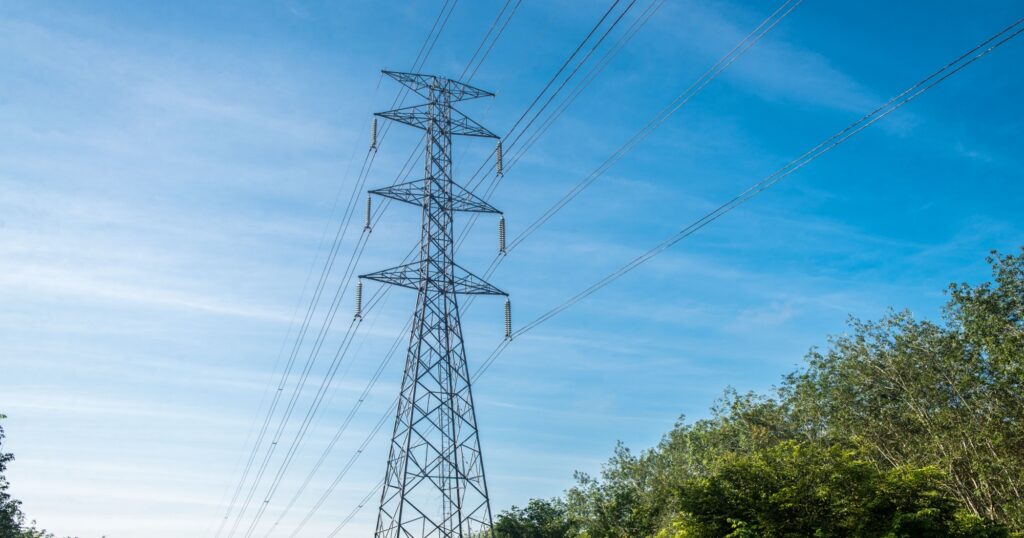
For Texas landowners, few things are more disruptive as receiving a notice that a high-voltage power line may soon cross your property. Whether it is a conventional transmission line or one of the massive new 765 kV transmission projects currently being developed across the state, the impact on your land’s value, aesthetics, and productivity can be permanent.
Understanding how transmission line routes are chosen in Texas is the first step in protecting your property. The process is not arbitrary; it is a complex regulatory journey involving utility companies, state agencies, and public input. At Braun & Gresham, we advocate exclusively for landowners to ensure their voices are heard before the final route is ordered.
Who Decides Power Line Routes in Texas?
A common question from property owners is: who decides power line routes in Texas? The authority rests with the Public Utility Commission of Texas (PUC).
While the utility company initiates the project and proposes several potential routes, they do not have the final say. The utility must apply for a Certificate of Convenience and Necessity (CCN). It is the PUCT Commissioners who ultimately select the specific path the line will take based on statutory routing criteria.
Knowing who decides power line routes in Texas is critical because it highlights where landowners need to direct their advocacy: the formal proceedings at the PUCT.
The Stages of Transmission Route Planning in Texas
The path from a utility’s initial “need” for a project to the final construction involves several distinct phases of transmission route planning in Texas.
1. The Study Area and Initial Routing
The utility begins by defining a broad “study area.” Engineers and environmental consultants look for “links” or segments of land that could accommodate a line. During this phase of transmission route planning in Texas, the goal is to identify several “alternative” routes.
2. Public Open Houses
Before filing a formal application, utilities are required to hold open houses. This is your first opportunity to see maps of the proposed segments. While these meetings are informational, they are a vital time to gather data and begin identifying how a specific route might interfere with your habitable structures, cattle operations, or conservation easements.
3. The CCN Application
Once the utility selects its set of potential routes, it files a formal application with the PUCT. This document is often hundreds of pages long and contains the environmental impact and engineering studies used to justify why certain transmission line routes are chosen in Texas.
How Transmission Line Routes Are Chosen in Texas: Key Factors
The PUCT does not just choose the cheapest path. Under Texas law, including the Public Utility Regulatory Act, several factors must be balanced when determining how transmission line routes are chosen in Texas:
- Prudent Avoidance and Proximity to Habitable Structures: Lines are generally steered away from homes and schools.
- Existing Rights-of-Way: The PUC prefers to “parallel” existing infrastructure, like existing power lines or highways, to minimize “fragmenting” untouched land.
- Environmental Impact: Consideration is given to endangered species, wetlands, and historical sites.
- Land Use: The impact on agricultural operations, irrigation systems, and current development is evaluated.
- Engineering and Cost: While not the only factor, the technical feasibility and the ultimate cost to ratepayers are considered.
Understanding how transmission line routes are chosen in Texas allows landowners to build a case based on these specific criteria and the particular impacts to your land.
The “Intervenor” Window: Your Right to Intervene
Once the utility files its application, affected landowners receive a formal notice. This is a “ticking clock” moment. To have a legal say in how transmission line routes are chosen in Texas, you must file a Motion to Intervene.
Becoming an “intervenor” gives you legal standing in the case. This allows you to:
- Cross-examine the utility’s experts.
- Submit evidence about the unique characteristics of your land.
- Propose “route modifications” that could move the line to a less impactful area or off your property entirely.
The intervention deadline is set by a prehearing order, often 30 days after the application is filed. If you receive a notice in the mail, the clock has already started. Missing this window means you lose your legal standing to challenge the route or suggest alternatives in the regulatory process.
The Rising Stakes of 765 kV Projects
The complexity of transmission route planning in Texas has increased with the introduction of 765 kV lines. These towers can stand up to 180 feet tall, nearly the height of a 15-story building, and require much wider easements than traditional lines. Because of their sheer size and impact, the criteria for how transmission line routes are chosen in Texas for these specific projects are even more scrutinized by the public and legal advocates alike.
Why Landowners Need Experienced Advocacy
The utility companies show up to the PUCT with teams of engineers, map-makers, and seasoned attorneys. For a single landowner or a family ranch, the process can feel overwhelming.
At Braun & Gresham, we understand how transmission line routes are chosen in Texas from the inside out. We help our clients:
- Navigate the PUCT Process: We handle the complex filings and legal deadlines.
- Build Technical Evidence: We work with experts to prove why a route is poorly chosen based on environmental or land-use factors.
- Form Landowner Coalitions: Often, neighbors have the same goals. We coordinate groups to share costs and amplify their influence.
Conclusion: Take Action Before the Route is Final
Once the PUC issues a final order, the route is effectively “locked in.” At that point, the conversation shifts from where the line goes to how much you will be paid for the easement (condemnation). However, the best way to protect your land’s value is to be involved in the routing phase.
If you have received notice of a project or want to learn more about how transmission line routes are chosen in Texas, do not wait for the surveyors to show up at your gate. Protecting Texas land is not just our job, but our legacy.
Contact Braun & Gresham today or schedule a consultation online to discuss your rights and protect your property.