

What Should You Check Before Buying Rural Land in Texas?
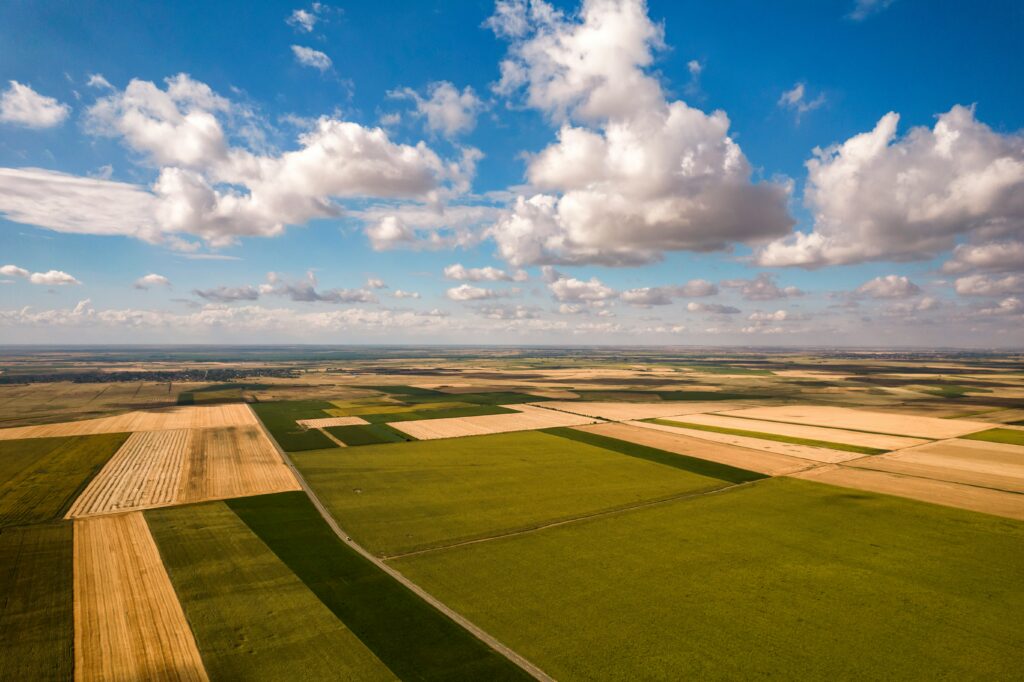
What Should You Check Before Buying Rural Land in Texas?
By Attorney & Counselor Stephen M. Ringquist
Buying rural land in Texas can mean buying a home, a hunting property, a working ranch, an investment, or a place you hope to keep in the family for generations. Before closing, however, it is important to understand more than the acreage, location, and purchase price.
A prospective buyer should investigate whether the property’s legal rights, restrictions, access, infrastructure, and existing obligations align with how the buyer actually intends to use the land.
Two properties that look nearly identical may offer very different rights and opportunities.
-
Confirm Legal Access to the Property
A road leading to a property does not necessarily mean the buyer has a permanent legal right to use it.
Determine whether the property has direct access to a public road or relies on an easement across neighboring land. If access depends on an easement, review where it is located, who can use it, what activities it permits, and who is responsible for maintaining it.
Access becomes especially important if you plan to build, subdivide, operate a business, move livestock or equipment, or eventually sell the property.
-
Review Existing Easements and Restrictions
Rural land may already be subject to utility, pipeline, transmission, road, access, conservation, or other easements.
An easement may affect where you can build, install fencing, construct roads, develop improvements, or otherwise use a portion of the property.
Buyers should also investigate deed restrictions and other recorded agreements that may limit uses they assumed would be allowed.
The important question is not simply, “Are there restrictions?” It is, “Will those restrictions interfere with what I want this land to become?”
-
Understand What Mineral Rights Come With the Land
In Texas, the surface estate and mineral estate can be separately owned. That means purchasing the land does not necessarily mean purchasing all of the minerals beneath it. The Railroad Commission of Texas notes that separate surface and mineral ownership is common in areas with historical oil and gas activity.
Buyers should determine what mineral interests, if any, are included and whether existing leases, wells, pipelines, or other oil and gas activity could affect the property.
-
Investigate Water and Septic Needs
Water can dramatically affect how rural property can be used.
If a property relies on a private well, investigate the well itself and whether the property falls within a groundwater conservation district, which may have rules affecting groundwater use.
If the property uses or will require a septic system, suitability matters too. Texas requires on-site sewage facilities to be designed based on a site evaluation and applicable local conditions.
These questions become even more important if you plan to add homes, guest accommodations, event facilities, agricultural operations, or other improvements.
-
Look Closely at Boundaries and Surveys
Do not assume the existing fence is the legal property line.
A current survey can help identify boundaries, improvements, encroachments, easements, roads, and other features that may affect ownership or use.
Resolving an unexpected boundary or access issue before purchasing land may be considerably easier than discovering it after closing.
-
Understand the Property Tax Situation
If land currently receives agricultural or open-space appraisal treatment, understand whether your intended use could affect that treatment.
Do not base a purchase decision solely on the seller’s current property tax bill. Consider what the property’s taxes could look like under your ownership and intended use.
Think Beyond the Closing Date
One of the most useful questions a rural land buyer can ask is:
What do I want this property to do for me ten or twenty years from now?
You may want to ranch today but develop part of the property later. You may plan to build a family home, create income, conserve wildlife habitat, divide land among children, or eventually sell.
Those goals should shape your due diligence before you buy.
Rural land is often more than a transaction. Understanding what you are actually purchasing, including the rights you receive and the limitations that come with them, can help you make a decision that serves your plans for the land long after closing.
If you are considering purchasing rural property in Texas, Braun & Gresham can help you evaluate the property, understand the rights and restrictions involved, and determine whether the transaction supports your plans for the land.