

For many Texas landowners, hearing that the Texas Department of Transportation (TxDOT) has plans to improve or expand a road near their property can bring mixed feelings. Understanding what Texas landowners should know about TxDOT can help you navigate the process and protect your interests.
On one hand, infrastructure improvements can bring safer travel, reduced congestion, and economic growth. On the other hand, these projects can lead to eminent domain proceedings, property acquisition, and lasting changes to the way land is used, which directly impacts Texas landowners.
Understanding how TxDOT operates, from early planning to community meetings to funding, can help landowners navigate the process and protect their interests.
US Highway 290 West Projects as an Example
The US Highway 290 West Projects in the Austin area are a perfect case study for understanding how TxDOT works. These projects are part of TxDOT’s long-term plan to improve traffic flow and safety between Oak Hill and Dripping Springs, a corridor that has continually experienced steady and heavy growth for decades.
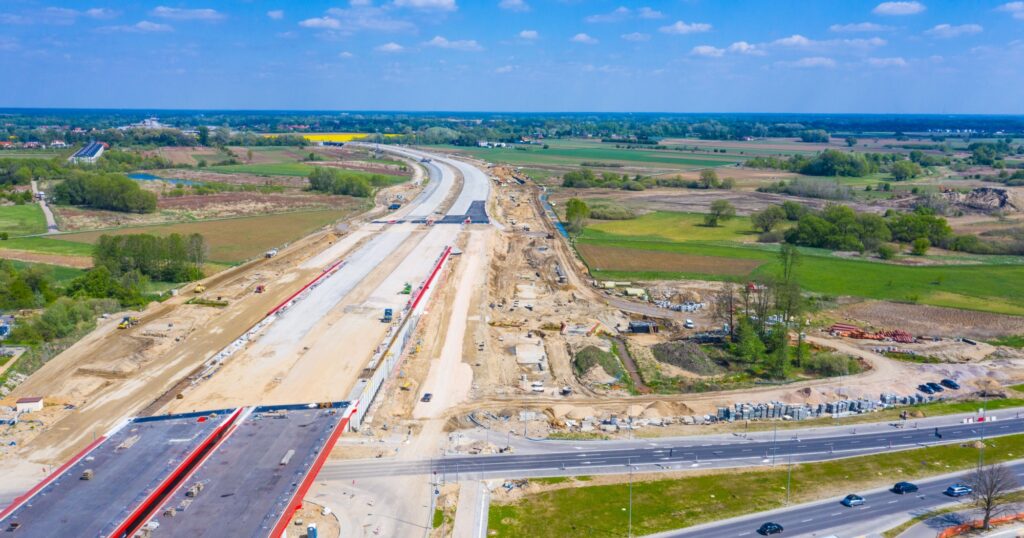
These highway improvements, coming and currently underway, include road widening, intersection upgrades, and safety enhancements. While these changes will serve the traveling public, they also require acquiring land from private landowners along the route.
For affected landowners, this means understanding the timeline, participating in the public comment process, and preparing for potential right-of-way acquisition.
The TxDOT Project Process
TxDOT’s process for developing major projects like the US Highway 290 West improvements follows a series of steps that are designed to identify needs, evaluate plans, and gather public input.
1. Planning and Feasibility Studies
TxDOT begins by assessing current and future traffic patterns, safety concerns, and infrastructure needs. Studies are conducted to determine whether improvements are necessary and to explore potential solutions.
2. Environmental Review and Preliminary Design
Federal and state law require environmental studies to assess how a project may affect local ecosystems, water resources, and nearby communities. This step also involves preliminary engineering to evaluate different design options.
3. Public Meetings and Open Houses
Public involvement is a central part of TxDOT’s process. Open houses are designed to share project details with the community, gather feedback, and address concerns.
For landowners, these meetings are an important opportunity to learn about potential impacts to their property and to voice their input before decisions are finalized.
4. Right-of-Way Acquisition
Once a final design is approved, TxDOT identifies the parcels of land needed for the project. If your property falls within the construction path, you will be contacted by TxDOT or its representatives about acquisition.
While it may be tempting to overlook the mail you receive, these letters are critical to open and review. Once contacted, we strongly recommend reaching out to an attorney to understand your options, protect your property rights, and ensure you receive fair compensation.
Although the acquisition itself cannot be avoided, the terms of that acquisition can be negotiated. Having an attorney on your side helps reduce stress, safeguard your interests, and secure fair treatment.
At Braun & Gresham, we are your trusted advocates. As Texas landowners ourselves, we stand firmly with and for Texas landowners.
5. Construction
After land is acquired and permits are secured, construction begins. The duration can vary based on project size, weather, and funding availability.
Why Open Houses Matter for Landowners
TxDOT’s open houses are more than informational sessions, they are an early opportunity to protect your rights. These events often include maps showing proposed alignments, project timelines, and potential impacts on specific properties. Representatives are available to answer questions and gather public feedback.
By attending, landowners can:
- Understand the scope and purpose of the project
- See whether their property is likely to be affected
- Provide feedback that may influence design decisions
- Connect with project staff and begin documenting their concerns
It is important to remember that open houses happen early in the process, maybe even years before acquisition and construction. Speaking up during this stage can make a difference in how the project unfolds.
How TxDOT Projects are Funded & How it Impacting Timing
TxDOT projects are funded through a combination of federal, state, and sometimes local funds. Major projects like the US Highway 290 West improvements often rely on state transportation funds, which are allocated based on traffic needs, safety priorities, and regional growth.
Funding sources greatly influence project timelines. If funding is approved and allocated quickly, right-of-way acquisition and construction may move forward sooner than expected. Conversely, if funding is delayed, projects can stall for years before moving ahead.
Knowing the funding status of a project can help landowners anticipate when impacts to their property may occur. TxDOT’s website and open house materials typically include funding information and projected schedules.
Protecting Your Rights if You Are Impacted
If TxDOT determines that part or all of your property is needed for a project, you have legal rights. The state is required to offer “just compensation,” but that first offer often fails to reflect the true value of your land or the long-term impact on the property you retain.
Our attorneys can help you evaluate the offer and protect your interests. Land is a finite resource, and when it comes to losing all or part of that land it’s best to consult an experienced attorney to ensure that you are making an educated decision about your property.
At Braun & Gresham, we help landowners:
- Evaluate offers and negotiate for fair compensation
- Ensure that all damages to the remaining property are accounted for
- Secure favorable easement terms when land is not fully acquired
- Navigate the eminent domain process from start to finish on your behalf
Staying Informed and Involved
For the US Highway 290 West Projects, and any other TxDOT effort that may affect you, the best approach is to stay informed and involved. Sign up for project updates on the TxDOT website, attend open houses, and keep records of all communications.
The earlier you engage in the process, the better your chances of influencing design decisions and protecting your property interests.
Even if you support the overall goals of a project, you have the right to ensure that your land is treated with fairness and respect. Knowing what Texas landowners should know about TxDOT helps you stay informed, engaged, and prepared to protect your property.
If you have been contacted about property acquisition, our team at Braun & Gresham is here to help. Visit braungresham.com for more resources and to speak with an attorney who understands how to protect Texas landowners in transportation projects.