A contract can look straightforward while still creating consequences that may not become apparent until later. That is why a meaningful contract review should consider both the legal language and the practical impact of the agreement.
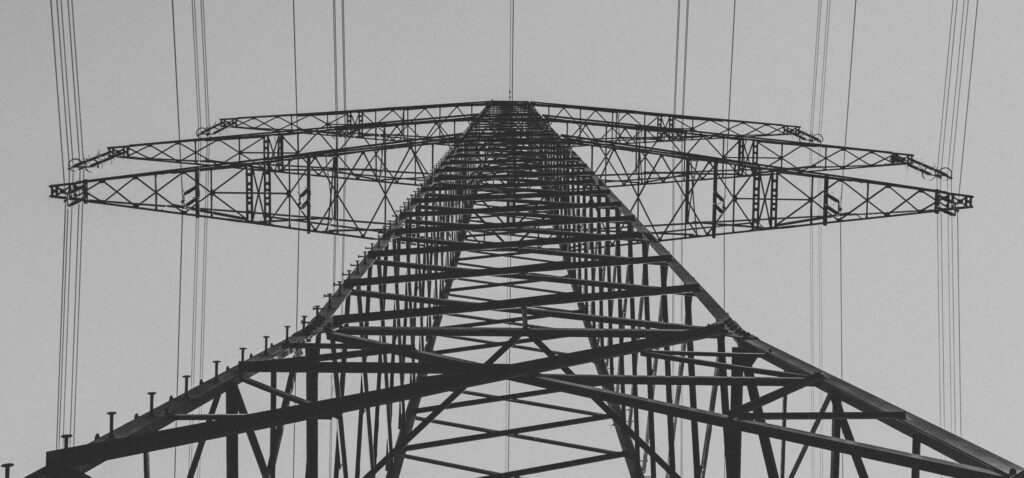
The Public Utility Commission of Texas (PUCT) has approved and ordered three major 765-kV transmission line projects associated with the Permian Basin Reliability Plan.
Recent updates to Texas subdivision laws are quietly catching local governments and landowners off guard, which changed whether you need a plat to subdivide your property, and adds a new hurdle for land that runs on well water. Miss either one, and you can find out the hard way through increased and unexpected costs that may have been avoidable.
Data center development has become a significant part of the development conversation across Texas. For landowners, that can mean receiving an offer to purchase or lease property, including a request for an option agreement and permission for a developer to begin investigating whether the property can support a project.
Ranching generates risk constantly and from every direction: a guest injured on a hunt, a stock tank that fails, a vehicle collision on a caliche road, a dispute with a neighbor or a lessee. This is where business entities come in as a risk management tool for landowners.
Buying rural land in Texas can mean buying a home, a hunting property, a working ranch, an investment, or a place you hope to keep in the family for generations. Before closing, however, it is important to understand more than the acreage, location, and purchase price.
Estate planning isn’t just for retirees. If you’re married, own real estate, or have started building wealth, you already have an estate and you need a plan for it. There’s no birthday that triggers the need for a will. The real test is simpler: do you have an opinion about what happens to your property, your children, or your business interests when you’re gone? If the answer is yes, it’s time to get a plan in place.
Braun & Gresham was proud to serve as a Gold Sponsor of the Texas Wildlife Association Annual Convention. We are sharing key lessons from the Private Lands Summit, including practical guidance on wildlife crime, agricultural theft, estray livestock, risk management, and protecting private property.
Transferring land within a family isn’t just a personal decision, it’s a legal transaction with long-term implications. Without the right structure in place, small oversights today can turn into expensive disputes down the road.
If your business depends on real estate, you’ve likely been handed a contract labeled a “standard agreement.” Maybe it’s a commercial lease, easement, vendor agreement, utility agreement, access license, telecommunications agreement, development contract, property management agreement, or construction contract. Regardless of the context, the message is usually the same.
A conservation easement protects your land in its natural state. Granting a conservation easement has significant economic benefits in the form of income and estate tax relief.
When a Texas landowner sells a ranch, a tract of raw land, or a commercial property, the person sitting across the closing table is often a very different kind of buyer than they expect. Developers, private investment groups, family offices, energy companies, and 1031 exchange buyers who do this for a living. They know exactly what they want, exactly what they will pay, and exactly which contract terms they need to protect themselves.
About Us
Braun & Gresham, PLLC provides skilled legal counsel and practical advice for owners of property in Texas. We use traditional resources in innovative ways to help our clients protect and create new value in their land.
Your Texas Land Podcast
We delve into all things related to land in Texas, providing invaluable insights for landowners. Whether you’re a seasoned landowner or new to the field, “Your Texas Land” is your go-to resource for understanding the unique challenges and opportunities of owning land in the Lone Star State.