Safe from the Sprawl
Attorney Team Helps Nature-Lover Preserve North Texas Land
Nature has always been something I’ve marveled at,” professes Sharon Lane. “In one place, you have oceans, in another place, you have mile-high mountains. It’s just such a wonder.”
Lane was raised in Texas’ rural Rio Grande Valley among a family of farmers and hunters – “I used to take my afternoon naps in the bottom of my mother’s deer blind,” she chuckles. “But my favorite thing was sitting in a tree reading a book.”
As she grew up, Lane had a persistent dream of owning her own ranchland. When it finally became financially feasible for her to do so, Lane happened upon Shadow Mountain Ranch in northwest Navarro County while just driving along some backroads in 2003.
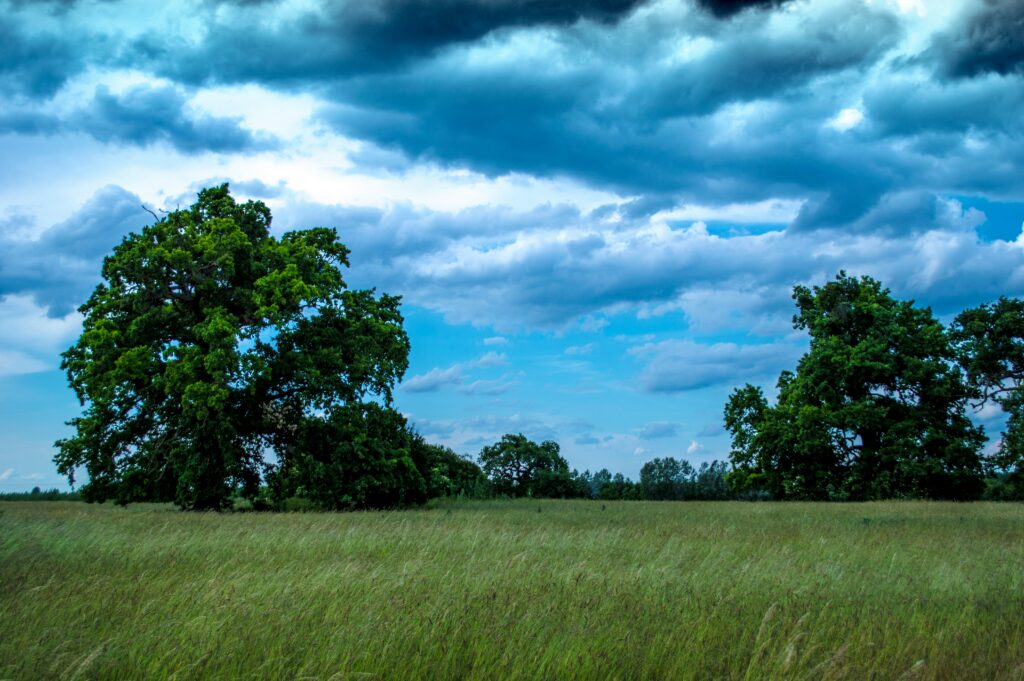
“We saw a sign, called the real estate agent, and when we drove in, we drove directly down to the lake, and it was like, ‘Wow,’” recalls Lane. “The ranch is about 431 acres total, a combination of mesquite scrub land, open pasture, open grassland, and post oak and juniper forests. Then there’s the lake and a wet-weather stream. Shadow Mountain Ranch was part of a 1,200-acre property owned by a wealthy woman in Germany who had bought it as an investment; she was beginning to divest her assets, so she was selling this Texas ranch she had never ever visited. Three months later, I signed the papers, and it was mine.”
Initially, Lane intended to use the property for hunting, fishing, and other recreation. She began attending seminars and workshops to learn how to properly manage the ranch for wildlife, and the more she learned, the more her interest in land conservation deepened.
“I started learning what was native, what was not, and how all the native flora and fauna work together,” Lane remembers. “We’re losing our wild, parcel by parcel – up here, the Dallas-Fort Worth Metroplex is creeping closer every day.”
Over the next 14 years, Lane became a Texas Master Naturalist and worked tirelessly at reversing the overgrazing and habitat loss Shadow Mountain Ranch had suffered. She and her partner, Pat, renovated an existing airplane hangar into a “barn-dominium” (an apartment, two garages, a storage area, and workshop) and moved onto the property. Through brush management, native seed reintroduction, prescribed burns, regenerative grazing, and bird-box installations, Lane slowly restored her land to a native prairie habitat.
“Then, one day, a friend said to me, ‘You can’t take it with you, you know,’” notes Lane. “And I thought, maybe not, but I can protect this piece of it. So that really cemented in my mind the idea of putting the ranch into a conservation easement.”
Lane was unsure of how to begin the process of a conservation easement; none of her neighboring landowners – or even other Navarro County landowners – had done it, so there was no one to get a recommendation or referral from. But over the years, she had subscribed to the Braun & Gresham newsletter and had consistently agreed with the firm’s approach to land management, so she decided to give them a call.